When a school chooses a special needs transportation provider, it is not just choosing a vehicle or a route.
It is choosing the people, preparation, and systems that shape a child’s daily experience.
For students with disabilities, mobility challenges, behavioral support needs, medical considerations, or housing instability, transportation is not a minor operational detail. It is part of how they access school safely and consistently. It can affect how the day begins, how families feel, and how confidently a district can support its most vulnerable students.
That is why driver qualifications matter so much in special needs transportation.
We believe transportation is an act of care. A qualified driver does more than arrive on time. A qualified driver helps create a ride that feels steady, respectful, safe, and supportive from pickup to drop-off. For schools and districts, that matters. For families, it matters even more.
What Makes Driver Qualifications So Important in Special Needs Transportation?
In any student transportation program, routing, scheduling, and vehicle reliability matter. In special needs transportation, they matter too, but they are not enough on their own.
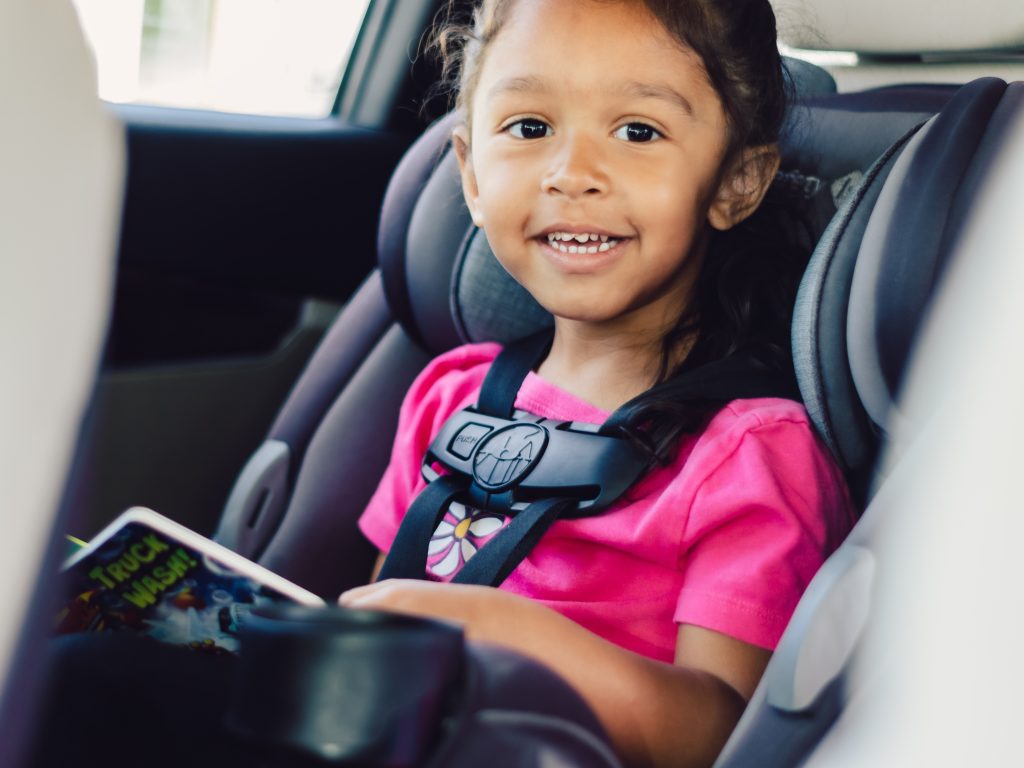
Students may use wheelchairs, walkers, safety vests, car seats, or other adaptive equipment. Some may be nonverbal. Some may be medically fragile. Others may need calm, predictable routines and drivers who understand how to reduce stress during transitions. In these situations, the person behind the wheel is not simply completing a route. They are helping support the students’ school day.
That is why strong driver qualifications are not optional. They are one of the foundations of safe, consistent service.
A well-qualified driver helps protect student safety, supports smoother pickups and drop-offs, communicates clearly, and understands that transportation is part of a broader support system.
What Should Schools Look for in a Special Needs Transportation Driver?
When schools and districts evaluate a special needs transportation provider, driver standards should be among the first areas they review.
Families and school teams need to know exactly who is transporting students each day and how those drivers are prepared for the responsibility.
For us, strong driver standards go beyond a valid license. Our driver requirements are built around safety, accountability, and readiness. Applicants must meet standards such as:
- Passing background checks and fingerprinting
- Holding a valid driver’s license
- Maintaining a clean driving record
- Completing drug testing and screening
- Meeting vehicle standards
- Being at least 23 years of age
- Having 3+ years of professional driving experience
- Completing CPR training and certification provided by Pawar
- Completing training for special education and behavioral support
These qualifications matter because this work requires more than the ability to drive. It requires judgment, patience, consistency, professionalism, and the ability to support students with care.

Why Is Specialized Training So Important?
Even experienced drivers need specialized training before transporting students with more complex support needs.
That is because every student is different. What works well for one student may not work for another. Some students need more verbal reassurance. Others do better with quiet, predictable routines. Some need support with equipment or mobility. Others need drivers who understand how to respond calmly to behavioral concerns or unexpected changes.
That is why training must go beyond basic driving skills. Important training areas may include (1):
- Safe loading and unloading procedures
- Wheelchair securement and mobility support
- Use of adaptive equipment
- Emergency response procedures
- First aid and CPR
- Disability awareness and sensitivity
- Communication with nonverbal or limited-verbal students
- Behavior support and de-escalation
- Student privacy and confidentiality
- Proper handoff procedures with families and school staff
When drivers receive the right training, they are better prepared to respond calmly, confidently, and respectfully. Instead of guessing, they know how to support the student and protect the ride experience.
That leads to better outcomes for everyone involved.
How Do Qualified Drivers Improve the Daily Experience for Students?
A strong ride experience is not only about safety. It is also about how the student feels.
For many students, especially those who benefit from routine, the morning ride sets the tone for the day. A calm, familiar, well-managed ride can help a student arrive more regulated and ready to learn. A stressful or inconsistent ride can do the opposite.
That is why qualified drivers matter so much in special needs transportation. They know how to approach the ride with patience and consistency. They understand that small moments matter, including how they greet a student, manage transitions, communicate, and respond when something feels off.
A trained driver is more likely to notice when a student seems uncomfortable, overwhelmed, or out of routine. They are also more likely to communicate appropriately with the right school or family contact when something needs attention.
In special needs transportation, that level of awareness makes a real difference.
Why Does Consistency Matter in Special Needs Transportation?
Consistency is one of the clearest signs of quality in special needs transportation.
Many students do best when the process feels familiar. The same driver. The same routine. The same expectations. That consistency can reduce stress and help students feel more secure during the ride.
Families notice it too. When the experience is predictable, trust grows. Parents and guardians feel more confident knowing who is arriving, what the routine looks like, and how their child is being supported.
Districts benefit as well. Greater consistency can reduce disruptions, improve coordination, and make transportation feel like a stable part of the school support system rather than a daily uncertainty.
For that reason, we emphasize dedicated drivers, personalized routes, and clear communication because consistency is not just operational. It is part of student care.
How Do Compliance and Accountability Protect Schools and Families?
Driver qualifications matter, but so do the standards behind the service.
Schools and districts need transportation partners who take compliance seriously and can clearly explain their practices. Families need reassurance that safety and accountability are built into the process, not added later.
Compliance practices should help support trust. In our case, these practices include:
- SB88-compliant services
- Background checks and fingerprinting for all drivers
- Regular drug testing and screening
- CPR training and certification
- Clean driving record requirements
- Driver training for special education and behavioral support
- Vehicles equipped with first aid kits and fire extinguishers
- Ongoing safety oversight and operational monitoring
These are not small details. They help reduce risk, strengthen accountability, and build confidence in the service supporting their students.
For districts, that can mean fewer service gaps, stronger oversight, and more confidence in daily operations. For families, it means greater peace of mind every school day.
A transportation partner should be able to explain how drivers are selected, trained, monitored, and supported. If that process is unclear, that is a signal schools should pay attention to.
Why Does Real-Time Visibility Matter in Special Needs Transportation?
In special needs transportation, clear communication matters just as much as consistency.
Families want to know when a ride is on the way, whether it is running on time, and who is transporting their child. Schools and districts also need visibility into route progress so they can stay informed and respond quickly if plans change.
Real-time visibility helps reduce uncertainty for everyone involved. Instead of wondering where a ride is or waiting for updates, families and school teams can more easily follow the ride’s route throughout the day.
- Live GPS tracking
- Route progress updates
- Driver and trip details
- Pickup and drop-off notifications
- Clearer communication throughout the ride
These tools do not replace strong drivers or thoughtful service, but they do make the transportation experience easier to follow. In special needs transportation, that added clarity can help families feel more informed and help districts manage services more effectively.
How Does Technology Support Drivers and Route Quality?
Technology is a tool that helps strong drivers do their jobs more clearly and consistently.
Our driver technology, for example, is designed to make each route structured and well supported. Drivers can access:
- Clear route and trip details
- Student and pick up information
- Real-time navigation support
- Updates and communication tools
This matters because drivers should not have to guess their way through a route. A strong system helps make service organized, predictable, and easier to follow. It also supports better communication between drivers, route coordinators, schools, and families.
When paired with designated route coordination and trained drivers, technology becomes part of a more dependable service model.
What Does This Mean for Families?
For families, all of this comes down to one question: Can I trust the person transporting my child?
That trust comes from more than a schedule. It comes from qualifications, training, communication, and consistency.
Families notice when a driver is calm, respectful, and prepared. They notice when pickups feel smooth, when the same trusted driver arrives consistently, when communication is clear, and when visibility tools make it easier to follow the ride.
Most of all, they notice when transportation feels supportive instead of stressful.
That is what qualified drivers and strong systems make possible.
What Does This Mean for Schools and Districts?
For schools and districts, driver qualifications affect much more than the ride itself.
They affect risk management, family confidence, attendance support, service quality, and operational trust. A strong transportation partner helps reduce friction rather than create more. That means clear standards, trained drivers, route consistency, visibility, compliance awareness, and communication that supports day-to-day coordination.
Districts should not have to wonder whether a provider is prepared. They should be able to see the standards, understand the systems, and trust the people supporting their students.
That is what accountability looks like in practice.
What Questions Should Schools Ask a Special Needs Transportation Provider?
Before choosing a provider, schools and districts should ask direct questions about driver standards and service quality.
Helpful questions include:
- How are drivers screened before they are hired?
- What qualifications are required before a driver can begin service?
- What specialized training do drivers receive?
- Is CPR certification included?
- Are drivers trained for special education and behavioral support?
- How do you maintain compliance and ongoing safety oversight?
- How do you monitor driver performance?
- How do you support consistency for students?
- What visibility tools are available for families and districts?
- How do you communicate route updates, driver details, and service changes?
The answers reveal whether a provider is simply offering rides or truly delivering special needs transportation with the care, structure, and accountability that students deserve.
Why the Right Driver Can Improve the Entire School Day
Transportation affects more than arrival and dismissal times.
A calm, consistent ride can help a student begin the day with greater stability. A stressful or poorly managed ride can affect mood, focus, transitions, and readiness to learn. That is why the right driver can have a meaningful impact on the school experience as a whole.
When schools compare transportation partners, vehicles, and route coverage matter. But the people, standards, and systems behind the service matter just as much.
In many cases, they matter more.
Partner With a Provider That Prioritizes Care, Safety, and Accountability
A dependable special needs transportation provider should understand the responsibility that comes with serving students who need additional support.
That means qualified drivers. Proper training. Clear compliance standards. Real-time visibility. Strong communication. Consistent service. And a team that understands transportation is part of student support.
At Pawar Transportation, we build our service around those standards because we know families and districts are trusting us with something important.
And we believe that trust should be earned every day.
If your school or district is looking for a reliable special needs transportation partner, contact us today to discuss safe, dependable transportation solutions built on care, consistency, and accountability.