
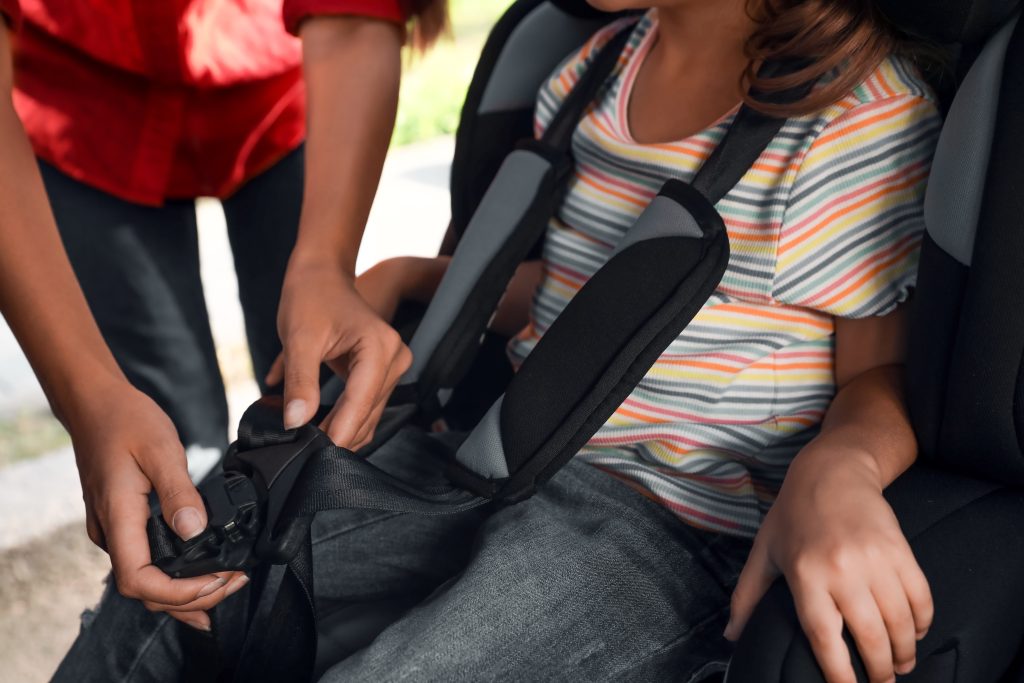
Safe transportation can feel different in the summer, even for students who do well during the regular school year.
A child may be going to a different campus. The day may start later or end earlier. Pickup windows may shift. The driver, route, or handoff process may differ. For students who rely on routine, those changes can make summer school or Extended School Year (ESY) transportation one of the hardest parts of the transition.
That is why parents often have more questions in June than they do in October.
We have found that summer transportation works best when families treat it as part of the program plan rather than a last-minute detail. A ride that feels clear, well-coordinated, and familiar enough can help a student start the day with less stress. An uncertain ride can make the entire summer schedule harder than it needs to be.
That is why the most helpful summer transportation planning often happens before the first ride ever begins.
Why Summer School and ESY Transportation Feel Different From the Regular School Year
The biggest mistake people make with summer transportation is assuming it will work exactly like the school-year routine.
Often, it does not.
Summer school and ESY programs usually come with changes that affect the ride in real ways (1):
- Different start and dismissal times
- Shorter program days
- A different campus or entrance
- Different staff at arrival and dismissal
- Different pickup windows
- Temporary route changes
- A few weeks to settle into a routine
- Hotter weather and different comfort needs
During the regular school year, routines have time to settle. By the middle of the year, families often know the rhythm. Students recognize the process. Staff know where and when to receive the child. In summer, that rhythm may need to be rebuilt quickly.
For students who benefit from predictable and safe transportation, that difference matters.
What Makes ESY Transportation Different From General Summer School Transportation
Summer school and ESY are often discussed together, but safe transportation planning is not always identical.
General summer school transportation may be focused more on schedule changes, new locations, and limited summer staffing.
ESY transportation requires even more coordination because many students attending ESY benefit from continued support, structured transitions, specialized equipment, or more individualized transportation planning. In those cases, the ride is not just a way to get to the program. It is part of how the student successfully accesses it.
That is why parents should not assume that “summer transportation” is one single thing.

The Most Common Summer Transportation Changes Parents Should Expect
One of the most helpful things parents can do is to expect change before the first day rather than be surprised by it.
Here are some of the most common differences families see with summer school and ESY transportation.
A Different Campus
Summer programs are often held at centralized sites rather than the students’ usual school. That means the route may be longer, the arrival point may be different, and the handoff may involve staff the family does not know.
An Altered Pickup Window
Even when the program is in the same district, the pickup time may change because the summer route structure differs. A child who is picked up at one time during the year may have a very different summer window.
A Different Dismissal Routine
Summer dismissal can feel less automatic than during the regular year. Parents may need to confirm which entrance is used, who receives the child, whether an aide or staff member is present, and what happens if the ride is delayed.
Another Driver or Route
Some families assume the same driver or route will continue into summer. Sometimes that happens. Sometimes it does not. When it changes, students may need more preparation before the first ride.
A Shorter Adjustment Period
A regular school-year route has months to settle. A summer program may last only a few weeks. That means communication and setup matter even more from day one.
What Parents Should Confirm Before Summer Transportation Begins
The most valuable summer transportation planning often happens before the first ride.
Parents should try to confirm:
- The exact pickup window
- The exact drop-off window
- The summer program location
- The specific entrance or handoff point
- Who the transportation provider is
- Who to contact if the ride is late
- Who will receive the child at drop-off
- Whether special instructions are already on file
- Whether equipment or mobility needs have been documented correctly
- Whether the summer route, driver, or pickup procedure is different from the school year
This matters because much of the summer transportation stress comes from overlooked details, not major failures.
For example, a family may know the program site but not realize summer drop-off happens at a side entrance. Or they may assume the usual handoff process applies when summer staffing is different. Or they may expect the same timing as the school year, even though the route has changed.
Those are the kinds of issues that create avoidable first-week stress, and tackling them beforehand can help ensure consistent, safe transportation to and from school.
What Parents Should Know About Absences and Schedule Changes
Summer transportation can be less forgiving than the regular school-year routine when plans change at the last minute. Before the program starts, parents should know:
- Who to notify if their child will be absent
- How early the school or provider needs to know
- What to do if someone different will receive the child
- How early pickup works during summer programs
- Whether schedule changes affect transportation that same day or the next day
Having those details ahead of time can prevent confusion during a shorter summer schedule.
How Parents Can Prepare Their Child for a Summer or ESY Transportation Change
Students who do well during the school year may still need extra support when the summer routine changes.
That does not mean the child cannot manage the transition. It usually means the transition should be prepared more intentionally.
Helpful ways to prepare include:
- Talking through the summer pickup routine ahead of time
- Explaining whether the ride will come earlier, later, or from a different vehicle
- Reviewing where the student will be dropped off
- Using a visual schedule for the new summer routine
- Practicing the morning schedule a few days before the program starts
- Preparing for a different campus or entrance
- Explaining who may greet the student upon arrival
- Using a social story, if transportation changes tend to cause anxiety
For students who rely on familiarity, even simple information can help. Knowing whether the ride will come at a different time or go to a different building can reduce stress before the change happens.
Safe Transportation Looks Different Depending on the Student’s Summer Needs
One reason summer transportation can be tricky is that the support needs do not disappear just because the school year ends. But the summer setup can change how those needs show up in practice.
Mobility Equipment
Parents should confirm that the summer route is fully prepared for the student’s equipment and boarding needs at the new site, not just at the home pickup point.
That may include:
- Wheelchair securement
- Enough time for boarding and exiting
- An accessible pickup location
- An accessible summer arrival point
- A clear handoff plan at the program site
A summer route can fail even when the vehicle is appropriate if the site arrival process is not equally well planned.
Struggles With Changes in Routine
Summer is often hardest for students who do best with predictability.
These students may need:
- A more explicit explanation of schedule changes
- The most consistent pickup routine possible
- Minimal last-minute changes
- Clear communication to parents if timing shifts
- Extra patience during the first week
Sometimes the challenge is not the ride itself. It’s that the ride is different from what the student spent the whole year learning.
Sensory Needs
A summer route may feel different because of heat, brightness, noise, or a different vehicle setup.
Parents may want to think about:
- Whether earlier or later pickup changes the student’s tolerance
- Whether the child is more sensitive to heat or waiting outside
- Whether the summer ride environment may feel less familiar
- What comfort or transition strategies help before pickup
Medical or Behavioral Support Needs
Summer programs sometimes run with different staffing patterns, shorter days, or different arrival procedures. That makes communication especially important.
Parents should confirm:
- Whether summer instructions are current
- Whether emergency contacts are updated
- Whether the summer program staff know the handoff expectations
- Who should be called if the route or dismissal process changes
A plan that worked in March may still need a summer-specific update.
Summer Heat Changes Safe Transportation More Than Many Families Expect
This is one of the biggest differences between school-year transportation and summer transportation, and it deserves its own attention.
Heat changes the ride experience.
For some students, hot weather can increase discomfort, irritability, fatigue, sensory overload, or difficulty with transitions. Waiting outside can feel harder (2). Boarding can feel slower. Even a short delay may have a greater impact in July than in November.
That is why parents should think practically about:
- Where the child waits for pickup
- Whether shade is available
- Whether the student needs a different waiting routine in the summer
- How the child typically responds to heat
- Whether a longer route or a later pickup may affect the student differently
The season changes how the ride feels.
The First Week of Summer Transportation Matters the Most
The first week tells families a lot. This is usually when parents can see whether the summer transportation setup actually works or needs adjustment.
Good signs during the first week include:
- Pickup and drop-off feel organized
- The child seems to know what to expect more quickly each day
- Communication is clear when there is a change
- The handoff process is smooth
- The student arrives less stressed as the week goes on
Signs the plan may need attention include:
- Repeated confusion about pickup or drop-off
- Staff not appearing to know the transportation plan
- Rushed transitions
- The student is becoming more anxious each day
- Recurring late updates or unclear communication
- Signs that the arrival or dismissal setup is not a good fit
Families do not need to wait for a major incident to speak up. If a pattern starts showing up in week one, it is worth addressing early.
What Parents Should Do if Summer Transportation Is Not Working
Many transportation problems are easier to fix when they are raised clearly and early.
If the ride is not working well, parents can:
- Document what is happening
- Note whether the issue is timing, handoff, routine, communication, or route setup
- Contact the school or transportation provider promptly
- Explain how the issue is affecting the student
- Ask whether the plan can be adjusted rather than assuming the child just needs to “get used to it.”
That last point matters. Sometimes a child does need time to adjust. But sometimes the transportation plan truly needs to change. The only way to tell is to look at the pattern honestly.
A Parent Checklist for Summer School and ESY Transportation
Before the program starts, parents can use this safe transportation checklist:
- Confirm pickup and drop-off windows
- Verify the summer program site and entrance
- Clarify the handoff process
- Ask whether the driver, route, or schedule is different from the school year
- Share updated instructions for mobility, sensory, behavioral, communication, or medical needs
- Prepare the child for the summer routine
- Plan for heat, waiting time, and weather-related comfort
- Watch the first week closely
- Raise concerns early if the setup is not working
Need Help With Summer School or ESY Transportation?
If your district or program is planning safe transportation for summer school or ESY services, Pawar Transportation is here to help.
We focus on safe transportation with clear communication, thoughtful planning, and a ride experience that fits the students we serve.
Contact us today to discuss transportation needs for summer school and ESY programs.